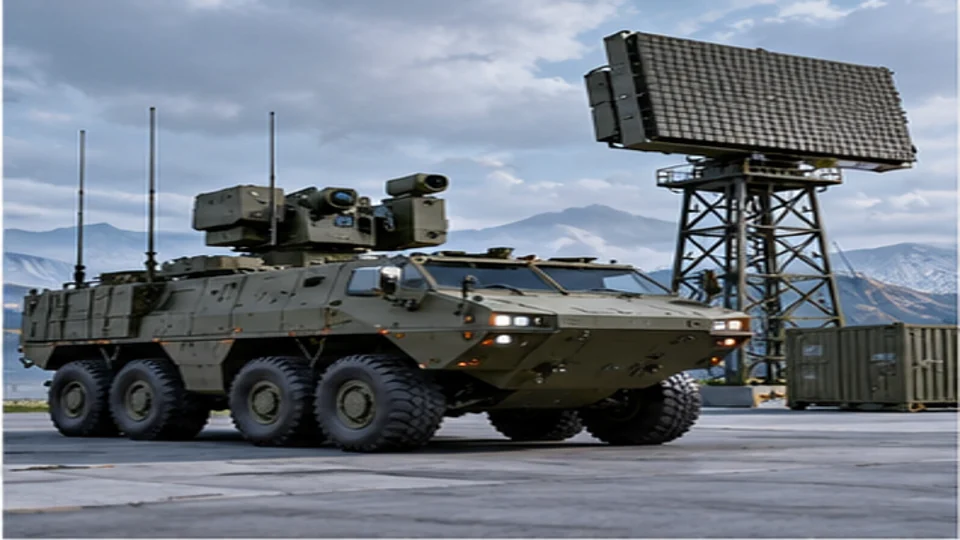
Defence industry 3D animation can explain the operating principles of land, air and naval platforms, as well as complex technical systems. It can communicate mechanical assemblies, subsystem relationships and selected operational scenarios through a controlled visual narrative.
At the beginning of a project, the available technical references and confidentiality boundaries should be agreed. Approved CAD data, engineering drawings, reference photographs or concept documents may support modeling. The client determines which sensitive details can be represented or shared.
Define the communication objective
The communication objective may be product presentation, subsystem explanation, a trade-show film or concept visualization. Camera planning and the level of detail should follow that objective. Exploded views, cutaways and close-ups of moving components can clarify how a system is assembled or operates.
Review the technical references
Material definition, scale, movement and assembly relationships all contribute to a credible result. Technical reviews help ensure that the visualization remains consistent with approved design information and the agreed scope.
Plan the visual sequence
Moonstar plans 3D modeling and animation for defence-related projects in coordination with the client, taking account of reference availability, review requirements and information-security constraints.